elephant clay heard: a fundraiser. serafine lilien | june 4 - 27, 2026

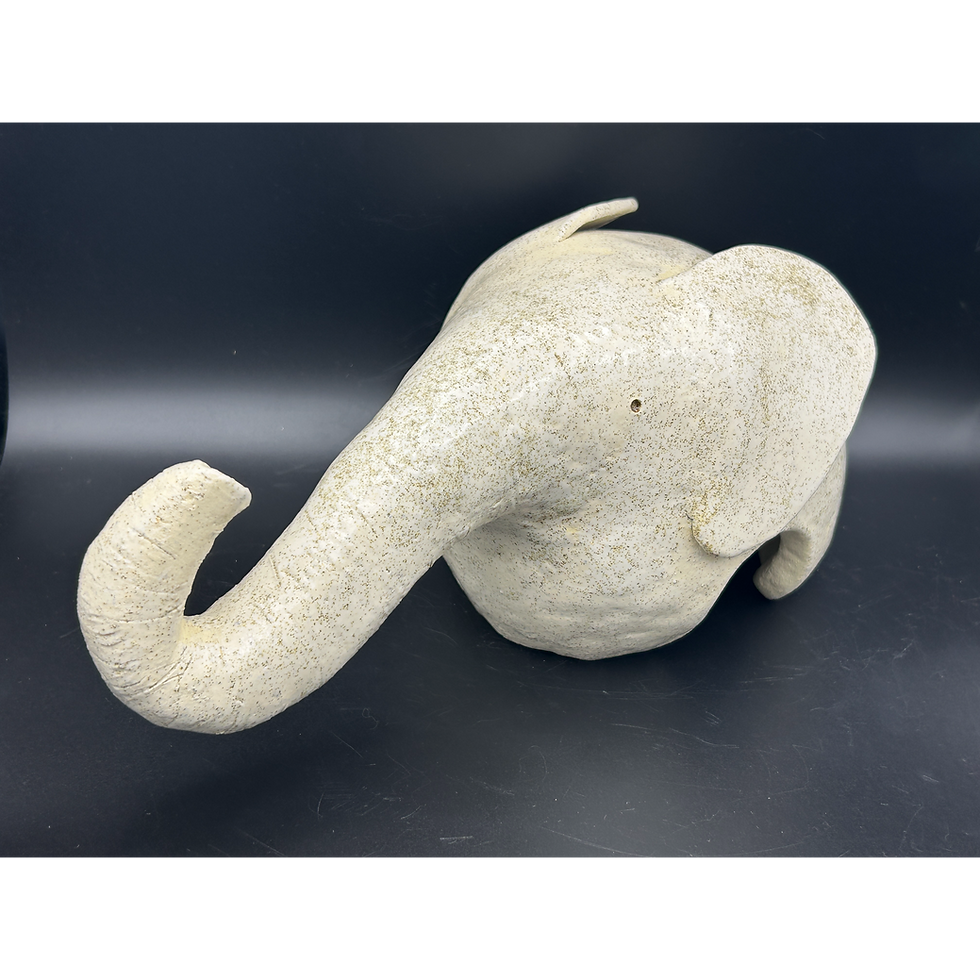
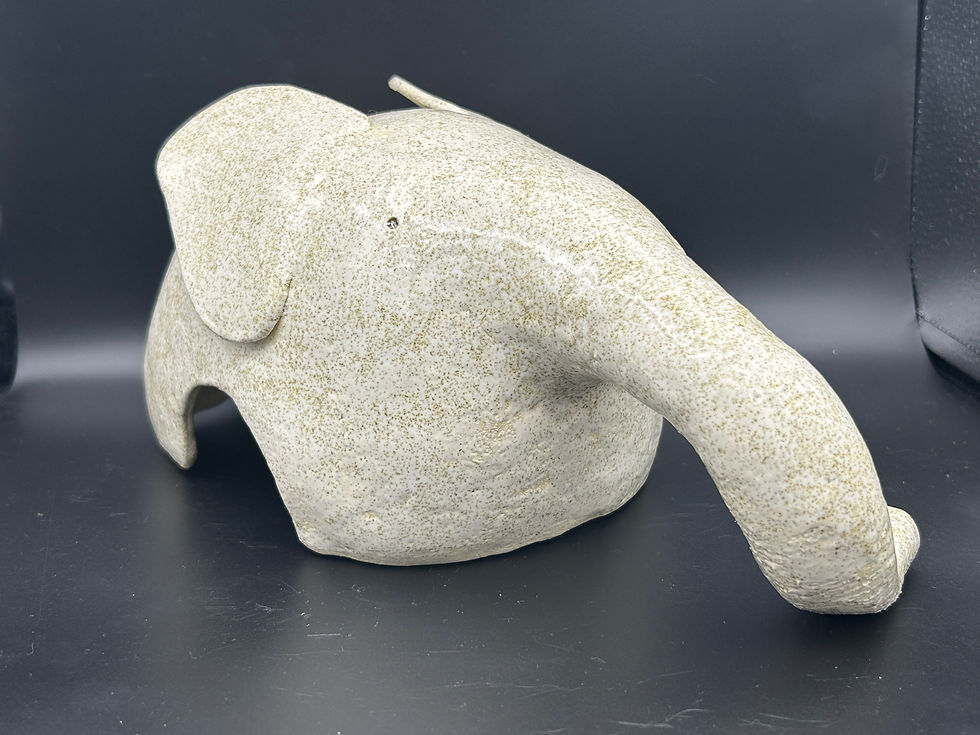
Elephant Clay Herd, a fundraiser featuring works by Portland-based artist Serafine Lilien, was created to honor elephants’ matriarchal family structures and to raise awareness about their precarious future.
20% percent of the fundraiser’s proceeds will go to organizations that rescue, care for, and rewild orphaned elephants and protect wild lands in Kenya. These groups milk-feed and nurture orphaned calves, socialize them with peers, and, when ready, return them to wild herds—where elephants often remember and revisit those who raised them. These organizations take care of the orphans for about 10 years.
Explore the collection here.
For the fundraiser, artist Serafine Lilien created a herd of off-white, tusk-colored ceramic sculptures that deliberately lack tusks as a symbol of what’s being taken from them—both literally (by poaching for ivory) and figuratively (by habitat loss and exploitation). As the artist explains: “Sculpting these animals is my way of urging viewers to see elephants as wild, sentient beings that deserve space, freedom, and respect rather than entertainment or captivity.”
Elephants face steep declines: roughly 415,000 wild African elephants and 40,000–50,000 wild Asian elephants remain, and both species confront poaching, habitat loss, and climate-related pressures. Some elephants are now born without tusks, an alarming biological change whose causes are still being studied; meanwhile, demand for ivory continues to drive violence and hardship in communities where people have few alternatives to poaching. Elephant tusks are their molar teeth.
Serafine Lilien’s herd bluntly asks would we kill for molar teeth? to provoke empathy and action – not pity. Her inspiration grew from visiting African parks and witnessing how transformative it is to see elephants in the wild—contrasting with the sadness of elephants confined in zoos or used in tourism. Responsible tourism choices and advocacy (including recent moves by travel guides away from animal exploitation) help, but lasting change also requires empowering local communities to protect their wildlife and landscapes. Education and access—bringing children and local families into parks and sharing stewardship knowledge—builds long-term coexistence.
elephant clay herd. explore the collection